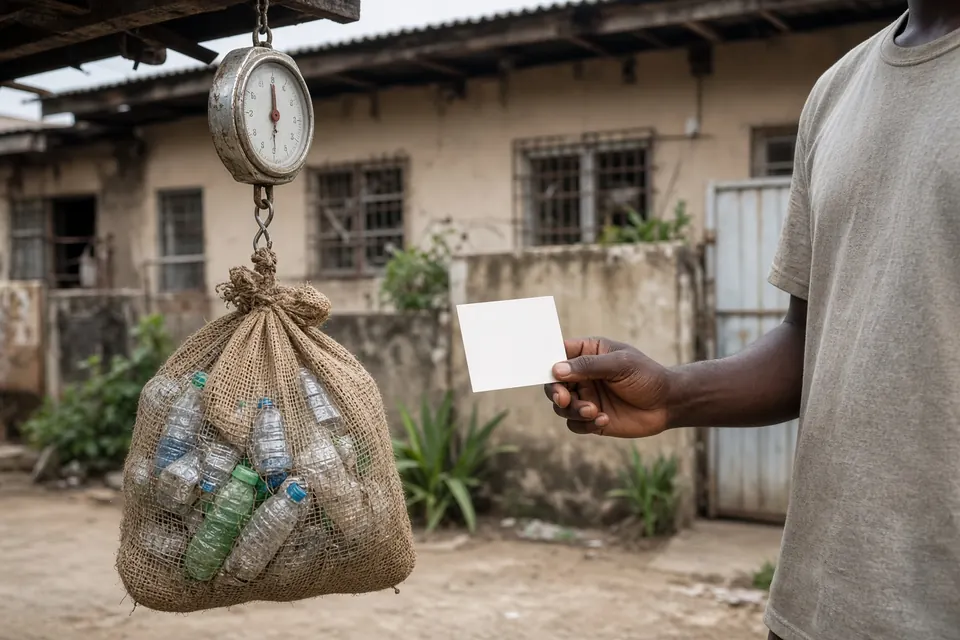
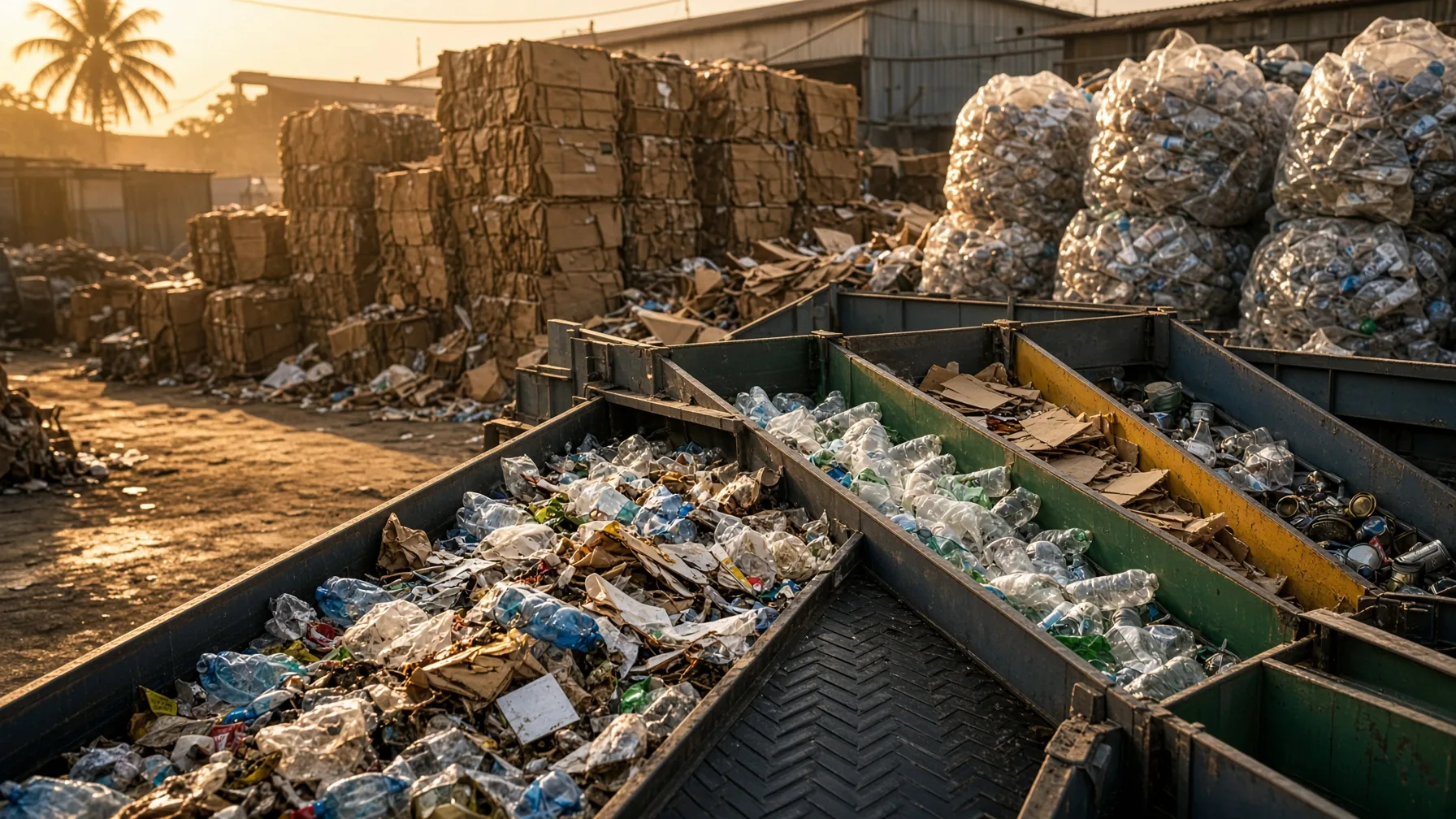
PET plastic
Bottles, containers, clean film. Weighed in, paid by the kilogram.
EcoCredit records the kilogram — plastic, paper, aluminium, iron, glass — and Paystack splits each payment: the seller's bank gets the net, EcoCredit keeps the fee. Lagos and Ibadan are live. We are expanding across Nigeria.
Free to join. Operator registration is free.
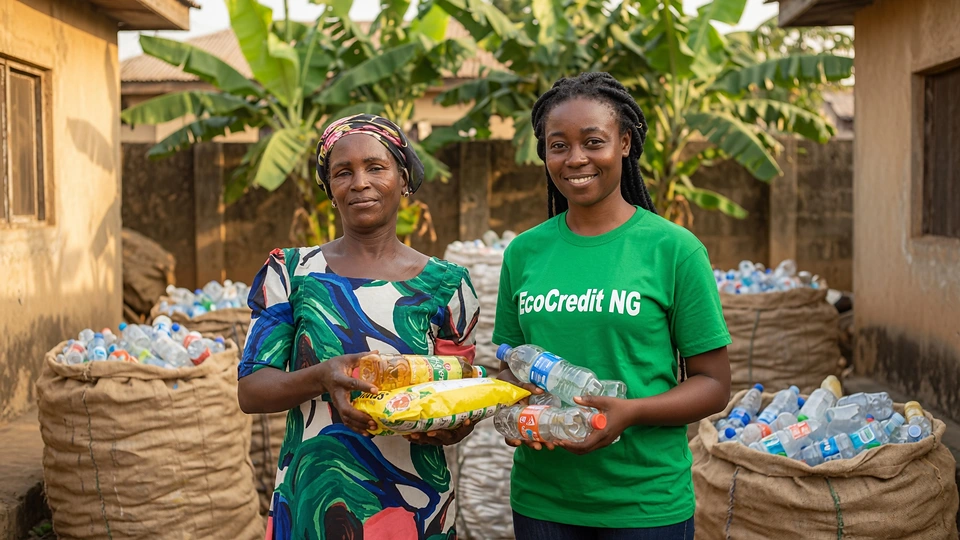
Across Nigeria, plastic, paper, aluminium, iron, and glass already move through informal hands. Households sell to cart pushers. Cart pushers sell to yards. Money changes hands at every step. Almost none of it produces a clean, verifiable record.
There is no consistent chain of custody, no shared price board, and no settlement layer that lets an FMCG prove Extended Producer Responsibility under NESREA with the kilograms that actually moved.
Tonnes of plastic waste Nigeria generates each year — not informal recovery throughput.
Of that flow currently has audit-grade, end-to-end chain of custody. Our estimate; unsourced.
Live — households, operators, yards, and FMCG buyers.
Live — same rails, same fees, same settlement. Expanding from here.
2.5M+ figure follows NESREA / press briefings on national plastic-waste generation (2026), not EcoCredit volume. We do not sell or retire carbon credits.
Same account. Same posted rates. Same kilogram on the record. Iron and steel scrap sit next to PET and cans — yards buy it, households sell it, truck collectors can move it on a card.
Bottles, containers, clean film. Weighed in, paid by the kilogram.
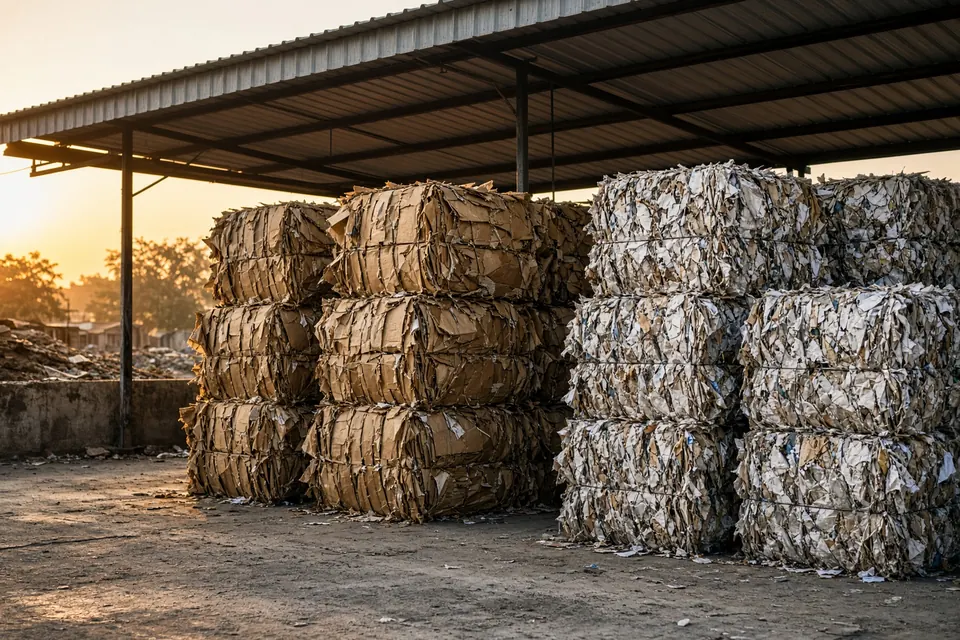
Cartons, office paper, kraft. Dry lots only — same posted-rate board.
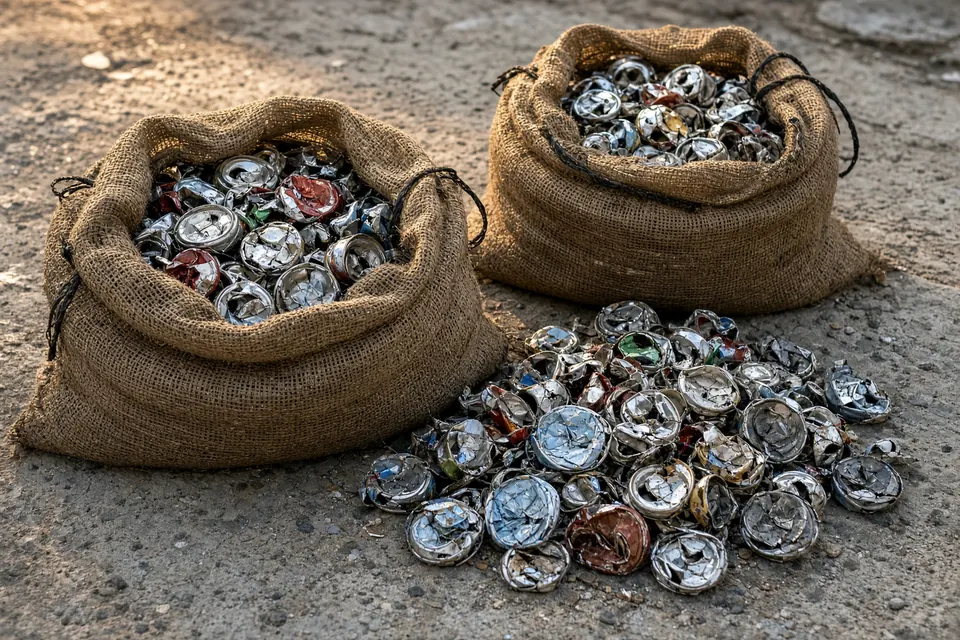
Cans and scrap. Highest-value stream on most operator boards.
Scrap iron, rebar, tins, light steel. Same card, same split, same kg log.
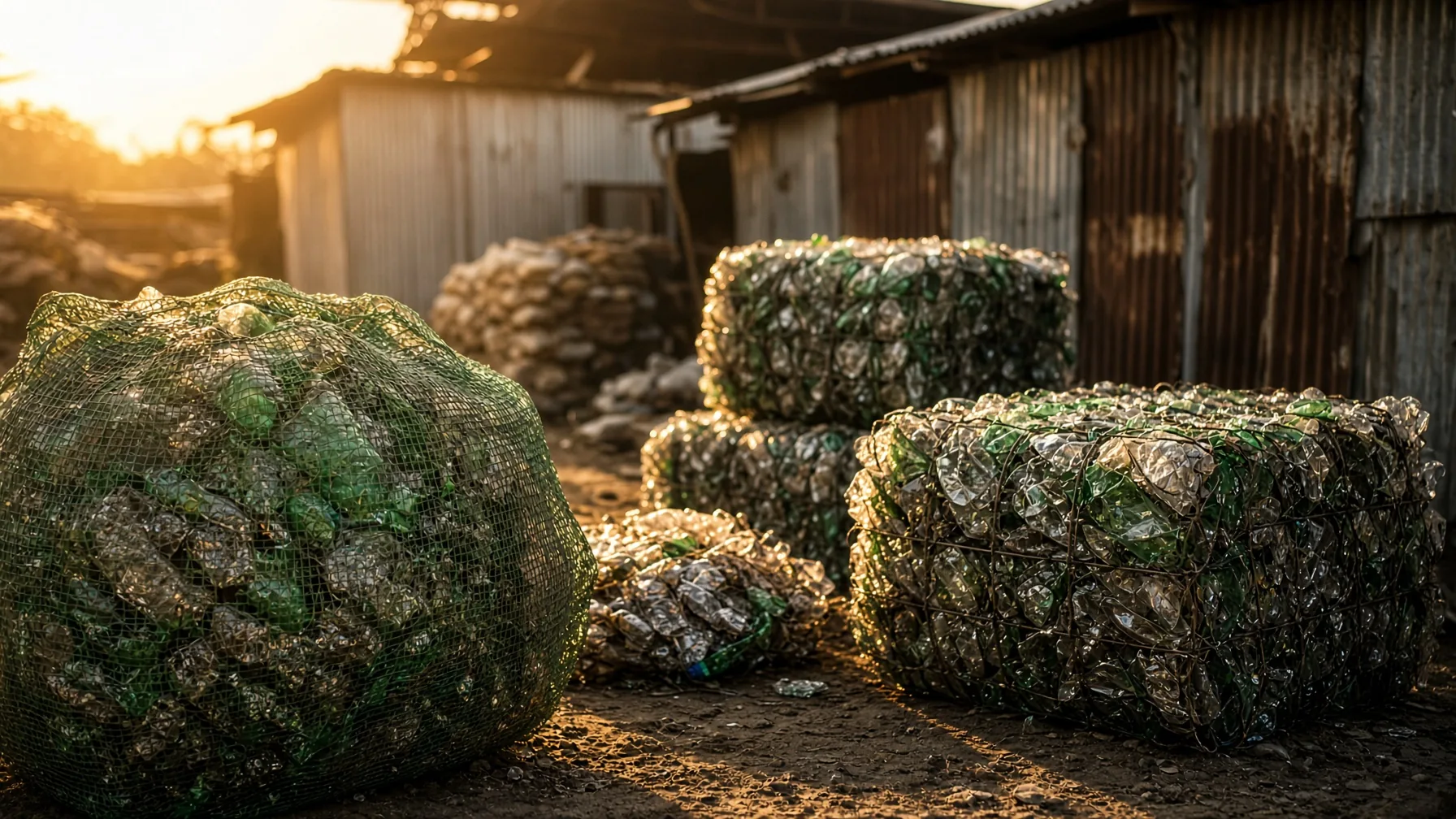
Clear and mixed bottles. Logged at the yard like every other stream.

EcoCredit does not replace the operators who already collect. Every actor plugs into the same pricing and audit layer. The result is a kilogram you can show — from doorstep to EPR report.
A household opens the app, sees posted rates from partners in their area, and either drops off or schedules a pickup.
The collecting operator weighs the material, or a truck collector with no phone shows a batch card issued at the yard. Both sides see the same numbers; the code is the collector.
When a leg is funded, Paystack pays the seller's bank 98% and leaves 4% with EcoCredit — 2% from each side. Both sides confirm the weight so the record matches the payment.
Manufacturers can subscribe to aggregated recovery data shaped for NESREA EPR reporting. Exports are structured for later registry use — we do not sell or retire carbon credits today.
On every settled leg, each side pays 2%. Household → operator and operator → recycler are the same: 2% / 2% (partners page). Join is free. Fees come out at settlement. Worked example: ₦10,000 of material — the seller receives ₦9,800, the buyer pays ₦10,200, EcoCredit keeps ₦400. On a funded pickup, Paystack pays the seller's bank the net and keeps the platform fee in the EcoCredit merchant account — the whole amount does not sit with us.
Four doors, one platform. Each account is free. Lagos and Ibadan are live — expanding across Nigeria.
Earn money for the plastic, paper, aluminium, iron, and glass you already throw away. See posted prices nearby and cash out to a name-matched bank account via Paystack. A 2% platform fee is taken at settlement.
Create a household account Already registered? Sign inFree to create — no registration fee. Buy from households, sell to yards, keep the spread. You pay 2% when you fund a pickup and 2% when a yard buys from you.
Create an operator account Issue cards for truck collectorsRegister your yard, post buying rates by material, and take organised supply. You pay 2% when you fund a delivery — the operator pays 2% on their side. Paystack sends them the net.
Register your yard Partnership terms & feesRecovery data shaped for NESREA EPR reporting. Chain-of-custody records per kilogram. Built for compliance conversations — not estimates, and not live credit retirement.
Create an FMCG account Or request a briefingQ2–Q3 2026. Accounts, Paystack split, and the public site are live. Onboarding in Lagos and Ibadan. We do not issue or retire carbon credits.
Seller bank gets the net when a leg is funded. EcoCredit keeps 2% from each side.
Money moves only to a bank account whose name matches the profile.
Claim a pickup, weigh it, fund it, then sell the lot to a yard.
NESREA-shaped sample plus live kilograms as collections confirm. Not carbon retirement.
Printed batch codes for truck collectors with no phone.
2% from each side, both legs. Join is free. Eco Points are a record, not cash.
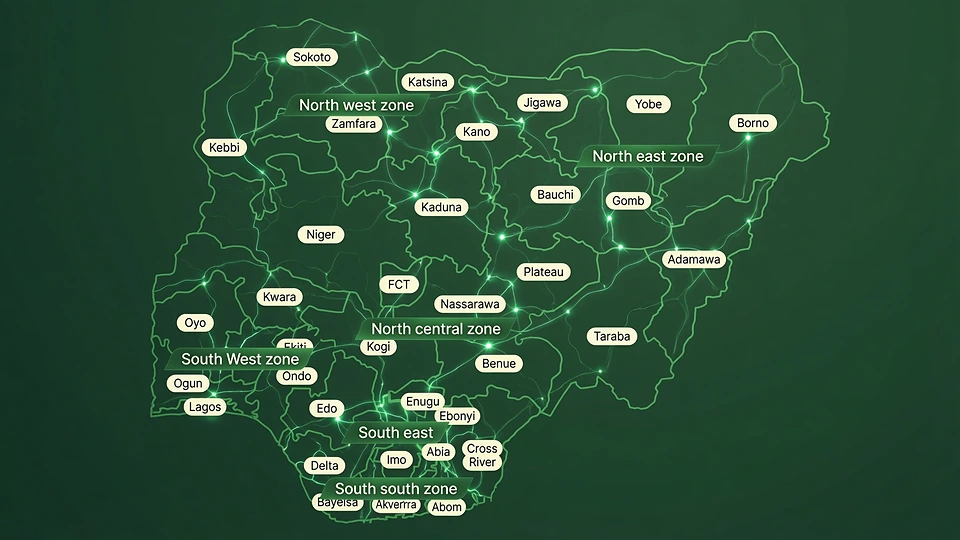
We are live in Lagos and Ibadan. EcoCredit is expanding to the rest of Nigeria — same fees, same cards, same settlement — city by city. The map is the sequence, not a claim that every state is live today.
Africa's recycling sector doesn't need another collection company. It needs the verification rails that turn informal flow into auditable, payable infrastructure. That's what EcoCredit is for.
EcoCredit NG is built by Camzoid Limited, focused on the gap between Africa's informal economy and global standards of verification, compliance, and finance.
We're starting with recycling because NESREA enforcement is tightening and FMCGs need credible EPR partners. Carbon markets are a later layer — we will not pretend to issue or retire credits until a named registry partnership exists.
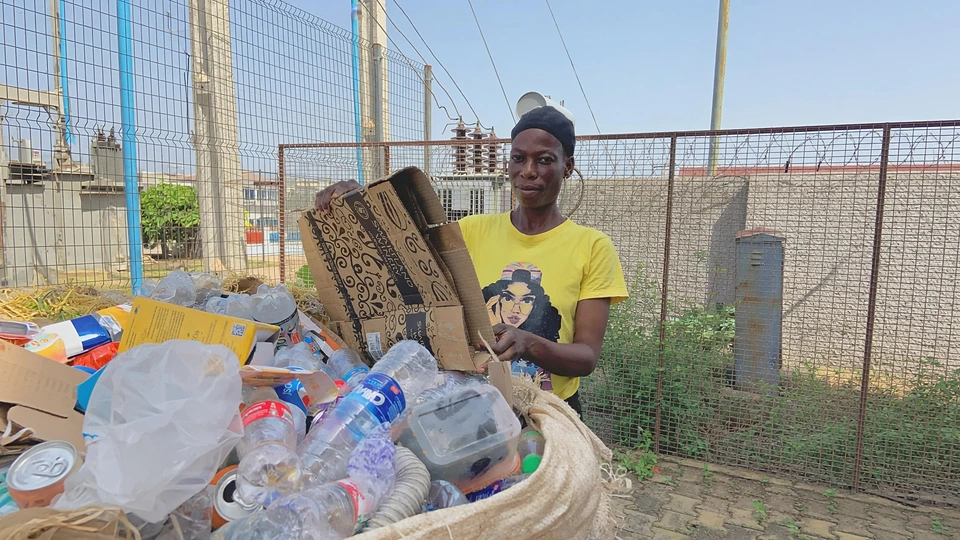
Posted prices, a bank payout, and a record of every kilogram you handled. Free to join. Expanding from Lagos and Ibadan across Nigeria.